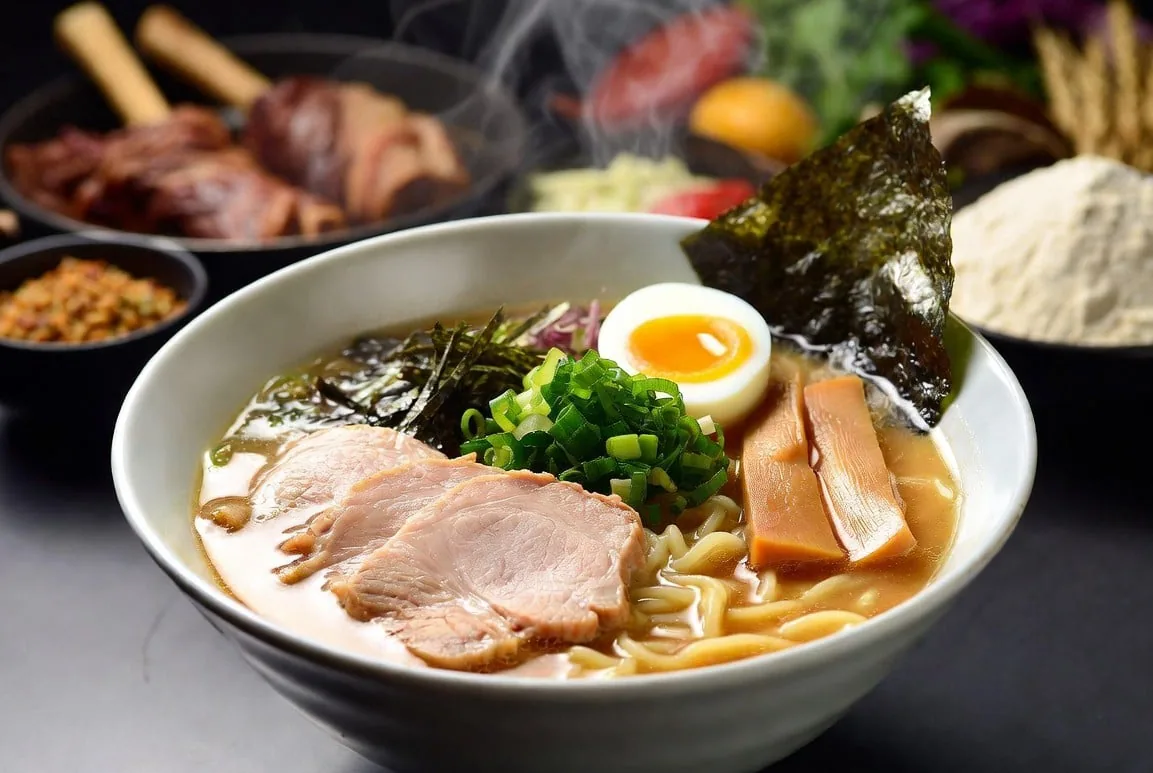
Beyond the Bowl: The Hidden Layers of Authentic Ramen
When most people think of ramen, they imagine a quick, inexpensive meal from a bustling shop. But inside that seemingly simple bowl lies a universe of traditional cooking techniques refined over decades. True ramen begins with the broth—a patient extraction of bones, seafood, or vegetables that can take anywhere from eight hours to two full days. The tare, or seasoning base, is often a closely guarded family recipe blending soy, miso, or salt with aged ingredients. This layered approach transforms ramen from fast food into a profound expression of culinary art. Every sip tells you about the cook's philosophy, regional climate, and commitment to seasonal dishes.
The noodles themselves are another hidden layer. Their texture, thickness, and alkalinity are adjusted to match the broth's weight and richness. In Japanese cuisine and culinary traditions, even the folding of noodles into the bowl matters—it affects how the broth clings to each strand. Ramen chefs often wake up before dawn to knead, rest, and cut their dough by hand, following traditional cooking rhythms. Unlike factory-made versions, authentic ramen respects the grain of the wheat and the humidity of the day. This is why a bowl in snowy Hokkaido feels completely different from one in humid Tokyo.
Beyond the bowl, ramen connects deeply to sake culture and street food origins. In the mid-20th century, ramen was primarily sold from yatai (movable food stalls) to workers looking for a warm, salty, fatty meal. Today, those street food roots are still visible in night markets and festival stalls. Some modern ramen shops even offer sake culture pairings, matching a light, dry sake with a shio ramen or a richer brew with a tonkotsu broth. This marriage of ramen and sake is a growing part of culinary art in Japan.
Seasonality plays a surprising role in ramen as well. Many people do not realize that seasonal dishes extend to noodle soups. In summer, you might find chilled ramen with bright citrus accents and lighter seasonal dishes like fresh corn or young bamboo shoots. Autumn brings mushroom-forward broths and thicker, warming noodles. Winter ramen often features hearty vegetables and slow-cooked pork belly. This attention to seasonal dishes elevates ramen from a simple meal to a calendar of Japanese cuisine and culinary traditions.
The craftsmanship of ramen also mirrors the precision found in kaiseki and wagashi. While kaiseki is known for its artful plating and wagashi for its delicate forms, ramen achieves culinary art through layering and balance. The arrangement of toppings—soft-boiled egg, nori, scallions, chashu—follows unwritten rules of color and geometry. A single misplaced ingredient can upset the harmony. This attention to detail is what separates authentic ramen from casual imitations. It is traditional cooking at its most democratic: complex yet accessible.
Finally, learning to appreciate ramen means learning to slow down. Despite its street food origins, a great bowl demands the same respect as a kaiseki course. You sip the broth first, then taste the noodles alone, then combine everything. Many ramen shops in Japan still follow traditional cooking methods passed down through silent apprenticeship. Flow Layer Base believes that ramen is a gateway to understanding Japanese cuisine and culinary traditions as a whole—humble, deep, and endlessly rewarding.