Kaiseki and the Rhythm of Nature
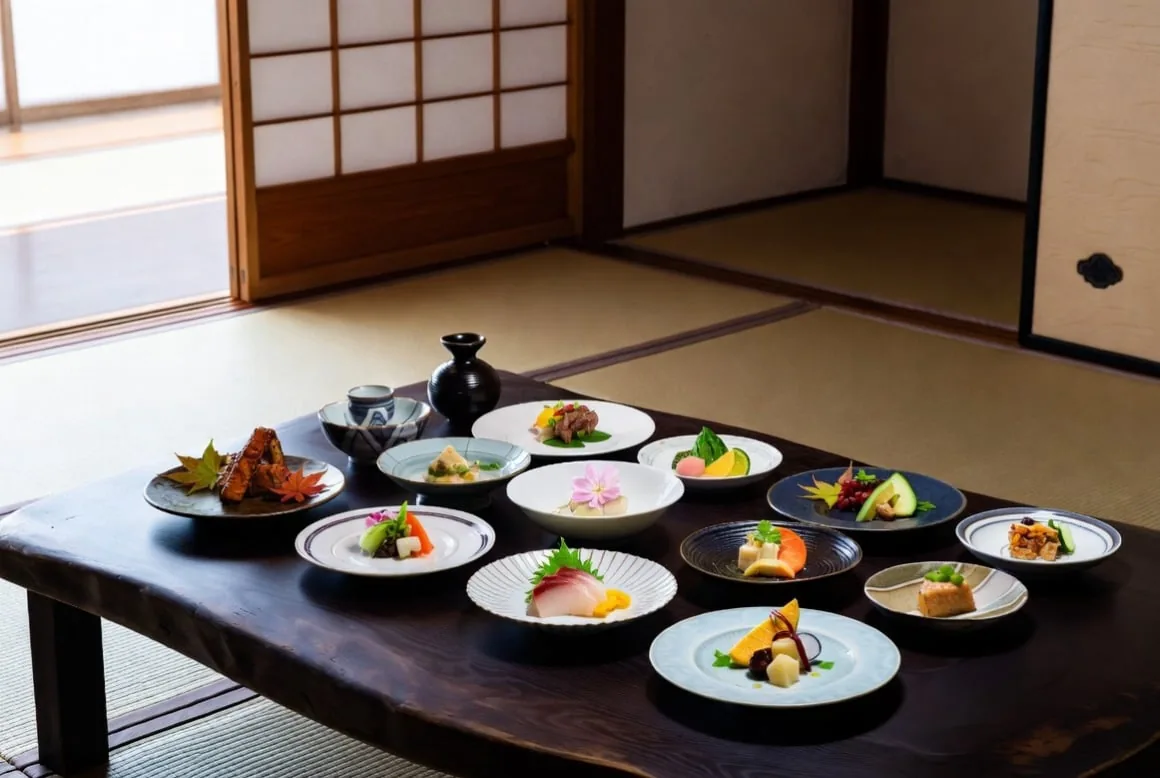
Kaiseki is often described as the pinnacle of Japanese cuisine and culinary traditions, and for good reason. A full kaiseki meal is not just dinner; it is a multi-act performance where each dish represents a specific moment in the natural world. The structure follows a seasonal script: appetizer, clear soup, sashimi, cooked dish, a course of seasonal dishes, then rice, pickles, tea sweets, and finally matcha. Every ingredient is chosen from what is freshest that week, sometimes that very morning. This devotion to seasonal dishes makes kaiseki a living calendar, reminding you of cherry blossoms in spring or wild mushrooms in autumn.
The philosophy behind kaiseki is rooted in traditional cooking and Zen Buddhism. Originally, it was a simple meal served during tea ceremonies, but over centuries it evolved into a sophisticated culinary art form. Despite its elegance, kaiseki follows strict principles of restraint: no wasted motion, no excessive decoration, no out-of-season flavors. Chefs train for fifteen years or more to master the subtle interplay of texture, temperature, and umami. This dedication to traditional cooking ensures that each kaiseki course feels inevitable, as if it could not have been created in any other season or place.
Sake culture is inseparable from kaiseki. Each course is designed to be paired with a specific type of sake, from crisp and dry for the sashimi course to aged and mellow for the simmered dishes. In sake culture, the brewer's calendar also follows the seasons, much like kaiseki. Spring sake is often light and floral, autumn sake richer and more savory. A kaiseki meal without sake pairing is like a garden without wind—still beautiful, but missing an essential layer. Many kaiseki chefs work directly with local breweries to create harmonized experiences of culinary art.
The visual beauty of kaiseki also borrows from the world of wagashi and tea sweets. Plates, bowls, and lacquerware are chosen not randomly but to echo the dish's seasonal theme. A single maple leaf placed under a piece of grilled fish, or a ceramic bowl shaped like a chestnut during autumn—these details are part of traditional cooking storytelling. Wagashi appears at the end of lighter kaiseki meals, served as tea sweets alongside thick matcha. This marriage of kaiseki and wagashi shows how Japanese cuisine and culinary traditions flow seamlessly from savory to sweet.
Unlike street food or everyday ramen, kaiseki requires time and intention. A full meal can last three hours, but each minute is filled with discovery. You learn to notice how the same ingredient—say, tofu—can appear as a cold appetizer, a warm soup, and a grilled course, each preparation highlighting a different face of seasonal dishes. This layered approach is the essence of culinary art in Japan. Kaiseki teaches patience and observation, turning eating into a form of meditation. It also influences more casual Japanese cuisine and culinary traditions, from bento boxes to festival foods.
At Flow Layer Base, we encourage everyone to experience kaiseki at least once, even if only a simplified lunch version. It will change how you see sushi, ramen, and street food forever. The rhythm of nature found in kaiseki—the precise moment when a vegetable is sweetest or a fish is fattest—is the same rhythm that guides traditional cooking across Japan. Whether you are biting into wagashi at a tea house or slurping ramen at a night stall, you are participating in a culture that reveres seasonal dishes. Kaiseki simply shows you that reverence in its most beautiful, concentrated form.